
Important Health Update
5 Signs Your Body Is Stuck in an Inflammatory Allergy Response (And You Don't Even Know It)
Sneezing that won't stop. Brain fog that clouds your thinking. Fatigue that drags you down. Skin that itches for no reason. If these sound familiar, your body may be fighting a hidden battle.

You think it's just allergies.
Maybe it's the pollen. Maybe it's dust. Maybe it's just "that time of year."
So you pop an antihistamine, hope for the best, and push through another day of sneezing, sniffling, and feeling like your head is stuffed with cotton.
But what if your symptoms aren't just seasonal? What if they're a sign of something deeper—something your body has been trying to tell you for years?
What if your immune system is stuck in "attack mode"—and it can't shut off?
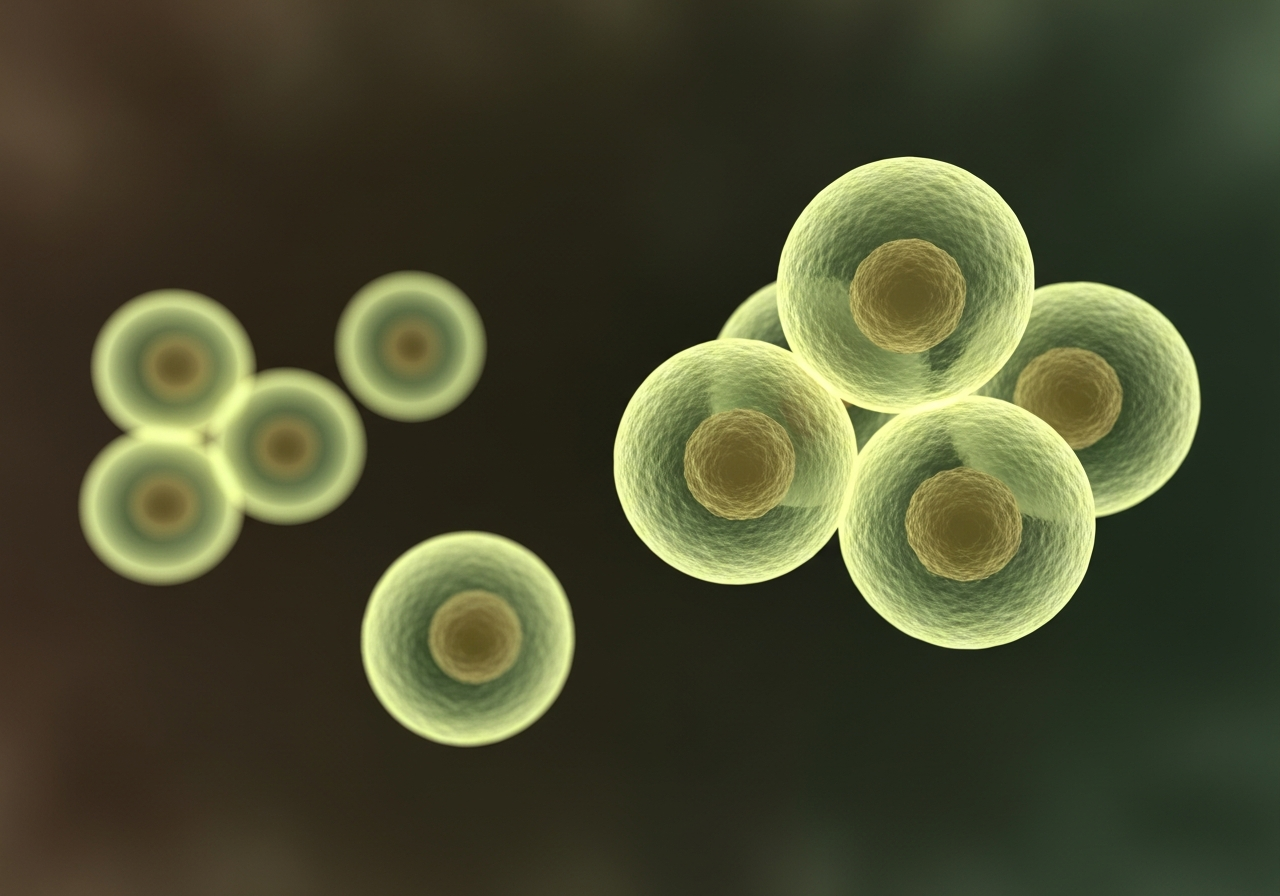
Microscopic view of cells responding to inflammatory triggers
The Hidden Inflammation Response Your Doctor Isn't Testing For
Here's what most people don't realize: allergies aren't just about pollen or pet dander.
At their core, allergies are an immune system overreaction. Your body sees harmless things—like dust or grass—as dangerous invaders. So it launches a full-scale attack.
This attack triggers inflammation. And when inflammation becomes chronic, it releases a flood of histamine—the chemical that causes all those miserable symptoms:
- Sneezing and runny nose
- Itchy, watery eyes
- Skin rashes and hives
- Brain fog and fatigue
- Sinus pressure and headaches
The problem? Standard allergy treatments only mask the symptoms. They don't address the root cause—the chronic inflammation that keeps your immune system stuck in overdrive.
"Recent years have witnessed a global increase in allergy and asthma, particularly in developed countries. Attempts to develop effective control measures for allergy resulted in the exploration of alternate medicines including herbal remedies traditionally used in old world countries."
— Molecular Nutrition & Food Research, PubMed
Understanding the Inflammation-Histamine Connection
Think of your immune system like a smoke alarm. When there's real danger—like an infection—it sounds the alarm to protect you.
But when you have chronic inflammation, it's like having a smoke alarm that goes off every time you make toast. Your body is constantly on high alert—even when there's no real threat.

Curcumin, the active compound in turmeric, has been studied for its anti-inflammatory properties
This is where curcumin comes in. Curcumin is the active compound found in turmeric—a golden spice that's been used for thousands of years in traditional medicine.
Modern research has revealed something remarkable: curcumin has powerful anti-inflammatory and immunomodulatory properties that may help calm an overactive immune response.
According to research published in Molecular Nutrition & Food Research: "Curcumin was reported to have antiallergic properties with inhibitory effect on histamine release from mast cells."
5 Warning Signs Your Body Is Stuck in "Allergy Mode"
Do any of these sound familiar?

Persistent Sneezing and Congestion
If you're sneezing more than just during "allergy season"—or if your congestion never fully clears up—your body may be stuck in a chronic inflammatory state.
This happens when your immune system keeps releasing histamine even when there's no real threat. Your nasal passages stay inflamed, making you feel stuffed up all the time.

Brain Fog and Difficulty Concentrating
That fuzzy, unfocused feeling isn't just from poor sleep. Chronic inflammation can actually affect your brain function.
When your body is fighting constant inflammation, it diverts energy away from cognitive functions. Research shows that inflammatory markers are linked to decreased mental clarity and focus.

Itchy Skin, Eyes, or Unexplained Rashes
Histamine doesn't just affect your sinuses—it affects your entire body, including your skin.
When histamine levels are chronically elevated, you may experience random itching, dry patches, or even hives that come and go without any obvious trigger.
Sinus Pressure and Recurring Headaches
Chronic sinus inflammation can lead to ongoing pressure and headaches that don't respond well to typical pain relievers.
This is because the underlying inflammation keeps swelling your sinus tissues. Until you address the root cause, the pressure keeps coming back.
Constant Fatigue and Low Energy
Fighting inflammation is exhausting work for your body. No wonder you feel drained.
Your immune system uses a massive amount of energy when it's constantly activated. This leaves less energy for everything else—including getting through your daily activities.
What the Research Says
According to the Young Again Research Team, curcumin has been extensively studied for its effects on inflammation and immune function.
"The active component of turmeric is curcumin, a polyphenolic phytochemical, with anti-inflammatory, antiamyloid, antiseptic, antitumor, and antioxidative properties. Curcumin was reported to have antiallergic properties with inhibitory effect on histamine release from mast cells."
— Ram et al., Molecular Nutrition & Food Research (2008), PubMed ID: 18398870
In studies using animal models of allergy, researchers found that curcumin produced "a marked inhibition of allergic response"—suggesting it plays a major role in reducing the body's overreaction to harmless triggers.
The science is clear: Curcumin supports a balanced immune response by helping to modulate inflammation at the cellular level.
If Your Body Is Stuck in This Cycle, Here's What You Can Do
The good news? You don't have to just "live with it." There's a natural approach that works with your body—not against it.
Instead of just blocking symptoms, you can support your body's natural ability to regulate inflammation and calm an overactive immune response.
Discover the Natural Solution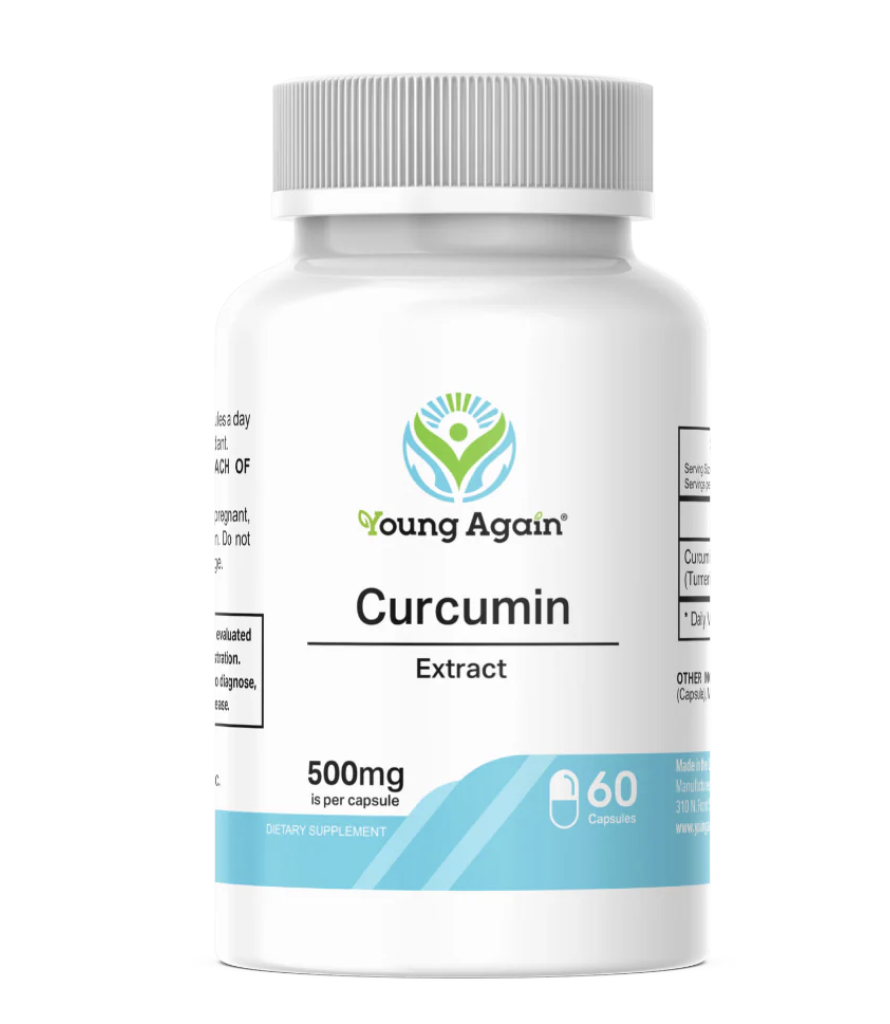
Introducing
Young Again Curcumin
A premium curcumin extract designed to support your body's natural inflammatory response and promote immune balance.
- 500mg of premium curcumin extract per capsule
- Supports healthy inflammatory response
- Promotes balanced immune function
- Powerful antioxidant protection
- 60 capsules per bottle
How Curcumin Supports Your Body
Inflammation Balance
Supports your body's natural ability to regulate inflammatory responses
Immune Modulation
Helps calm an overactive immune system without suppressing it
Histamine Support
Research suggests curcumin may help inhibit histamine release from mast cells
Cognitive Clarity
By reducing inflammation, supports clearer thinking and better focus
Antioxidant Power
Protects cells from oxidative stress and free radical damage
Natural & Safe
Derived from turmeric, used safely for thousands of years
Why Choose Young Again
Premium Quality
Natural Ingredients
Science-Backed
Made with Care
Frequently Asked Questions
Curcumin is the main active compound found in turmeric, a golden spice that has been used for thousands of years in traditional medicine. It's a powerful polyphenol with anti-inflammatory and antioxidant properties.
Curcumin works at the cellular level to help modulate your body's inflammatory response. Research shows it can help inhibit certain inflammatory pathways and may help reduce the release of histamine from mast cells—the cells responsible for allergic reactions.
Anyone looking to support their body's natural inflammatory response may benefit from curcumin supplementation. It's particularly relevant for those who experience seasonal discomfort, want to support immune balance, or are looking for natural antioxidant support.
While individual results vary, many people report noticing improvements within 2-4 weeks of consistent daily use. For optimal results, we recommend taking curcumin as part of your daily wellness routine.
Curcumin has been used safely for thousands of years. However, as with any supplement, we recommend consulting with your healthcare provider before starting, especially if you're pregnant, nursing, or taking medications.
Scientific References
- 1. Ram A, Das M, Ghosh B. "Curcumin attenuates allergen-induced airway hyperresponsiveness in sensitized guinea pigs." Biol Pharm Bull. 2003;26(7):1021-4.
- 2. Jagetia GC, Aggarwal BB. "Spicing up" of the immune system by curcumin. J Clin Immunol. 2007;27(1):19-35.
- 3. Chainani-Wu N. "Safety and anti-inflammatory activity of curcumin: a component of tumeric (Curcuma longa)." J Altern Complement Med. 2003;9(1):161-8.
- 4. "Immunomodulatory effects of curcumin in allergy." Mol Nutr Food Res. 2008 Sep;52(9):1031-9. PubMed PMID: 18398870.
Ready to Support Your Body's Natural Balance?
Don't let chronic inflammation keep your immune system stuck in overdrive. Discover how Young Again Curcumin can help you feel like yourself again.
Learn More About CurcuminFree shipping on all orders. Satisfaction guaranteed.